 +1 (843) 780-2402
How Gunite Pools Compare to Other Pool Types
All homeowners want the perfect inground pool for their property. They desire ample space, high-quality construction, and long-lasting materials. Many choose designs based on specific factors, including lawn layout, landscaping, and home location. So, how do you know which is best? And are gunite pools better than other options?
We'll explore gunite pools and how they can help reduce pool repair costs and maintenance requirements compared to other types. Let's test the waters to create something unique.
What Are Gunite Pools?
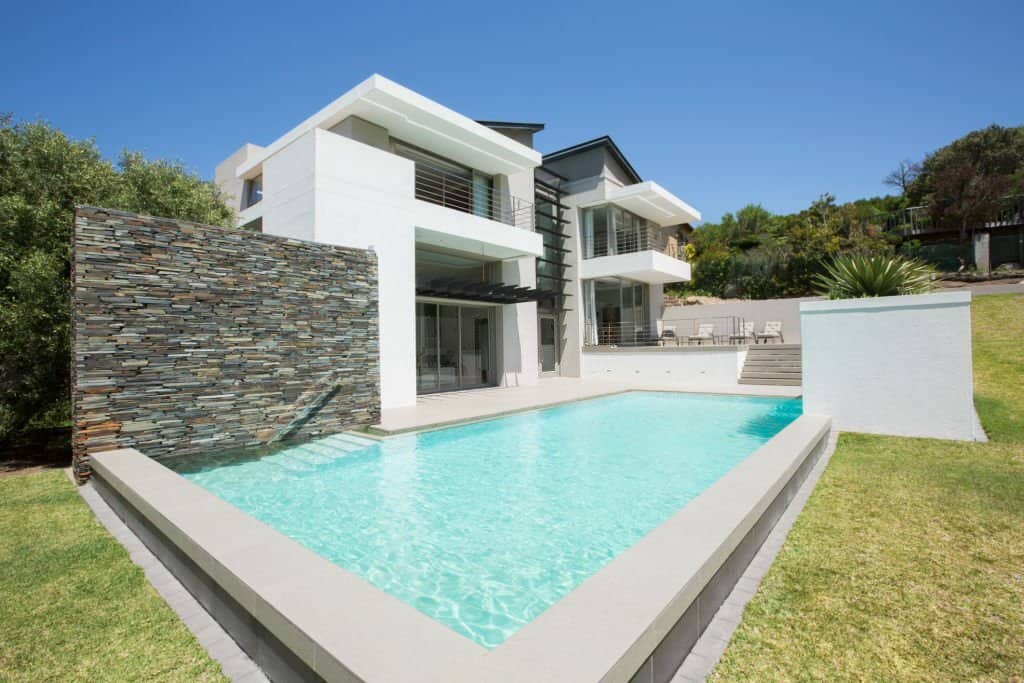 Gunite is an inground swimming pool design involving specific construction methods and materials. A pool installation company will spray Shotcrete through a high-pressure hose to form the structural outline with rebar attachments for stability. They'll also use a proprietary mixture to help the mold form a solid shell for filling.
This type of swimming pool offers multiple advantages to other designs, including improved durability and longevity. For example, it features fewer basin cracks due to the construction technique, reducing leakage and helping to improve outdoor living spaces. Understanding the other benefits and drawbacks can help you design the backyard oasis of your dreams.
Gunite Pool Pros and Cons
What could be wrong with a convenient inground pool construction technique? Gunite pools offer multiple gains, but homeowners should also consider the downsides. Let’s explore the pros and cons of gunite pools in this section.
Pros
Gunite is an inground swimming pool design involving specific construction methods and materials. A pool installation company will spray Shotcrete through a high-pressure hose to form the structural outline with rebar attachments for stability. They'll also use a proprietary mixture to help the mold form a solid shell for filling.
This type of swimming pool offers multiple advantages to other designs, including improved durability and longevity. For example, it features fewer basin cracks due to the construction technique, reducing leakage and helping to improve outdoor living spaces. Understanding the other benefits and drawbacks can help you design the backyard oasis of your dreams.
Gunite Pool Pros and Cons
What could be wrong with a convenient inground pool construction technique? Gunite pools offer multiple gains, but homeowners should also consider the downsides. Let’s explore the pros and cons of gunite pools in this section.
Pros
- Versatile design customization
- Enhanced structural integrity
- Innate material strength and durability
- Variable surface finishings
- Boosted property value
- Improved outdoor living
- High initial costs
- Unpredictable construction times
- Potential for staining
- Higher pool chemical requirements
- Tailored pool construction with minimal limits
- Longest lasting method
- Requires professional installation and repairs
- Cost: $$$
- Tailored pool construction with moderate limits
- Mid-range durability
- Requires professional installation and repairs
- Cost: $$
 Vinyl
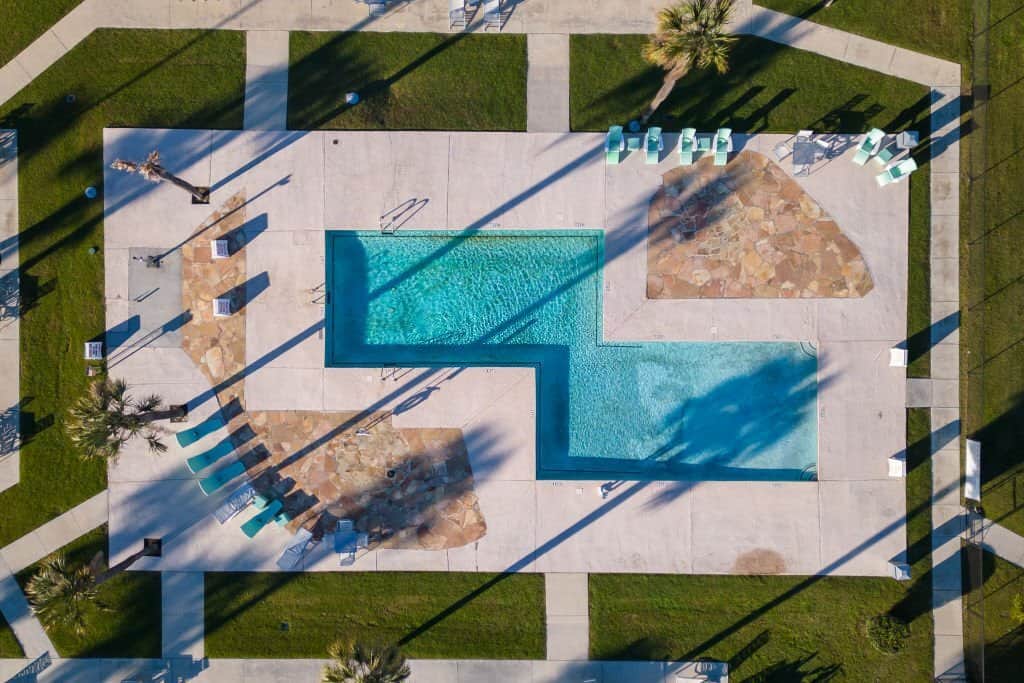
An inground pool with a vinyl liner uses a steel, aluminum, or polymer frame to hold water. Pool construction costs are lower than gunite and fiberglass options, but liners need replacing every three to five years. Also, the design and customization choices are restricted due to material constraints, and the vinyl is prone to tears, punctures, and fading with time.
Comparative Analysis
Vinyl
An inground pool with a vinyl liner uses a steel, aluminum, or polymer frame to hold water. Pool construction costs are lower than gunite and fiberglass options, but liners need replacing every three to five years. Also, the design and customization choices are restricted due to material constraints, and the vinyl is prone to tears, punctures, and fading with time.
Comparative Analysis
- Pre-set pool design options
- Low durability
- Requires professional installation and maintenance
- Cost: $